Mold Inspection Along Lighthouse Point's Waterfront and Canals
Lighthouse Point is built around roughly 18 miles of seawalled canals, with more than 80 percent of homes holding direct waterfront access to the Intracoastal and Atlantic via the Hillsboro Inlet. That much water infrastructure surrounding nearly every property makes an independent, evidence-based moisture and mold inspection especially useful here.
Moisture concerns in Lighthouse Point
Lighthouse Point's housing stock and canal geography create a specific set of moisture considerations worth understanding before an inspection.
Lighthouse Point is over 95 percent developed with essentially no vacant land remaining, and is almost entirely residential apart from a commercial strip along Federal Highway (US-1). The city grew from its first home, built in 1947, through a series of platted subdivisions between the late 1950s and 1970, including Venetian Isles, Lighthouse Manor, Coral Key, Wooler Heights, and Pompano Waterway Estates, eventually reaching about 9,500 residents across just over 2 square miles.
That growth pattern left the city with a mix of building eras: many original 1950s and 1960s ranch-style homes remain standing today alongside newer, elevated, impact-engineered rebuilds. A construction industry marketing source describes this rebuild trend along the coast, though we treat that specific characterization as an industry perspective rather than a verified citywide statistic. What is documented is the scale of the canal system itself: roughly 18 miles of seawalled canals within about 2.4 square miles of city, with more than 80 percent of homes carrying direct waterfront access connecting to the Intracoastal Waterway and Atlantic Ocean by way of the Hillsboro Inlet.
City sources describe Lighthouse Point as sitting in a flood-prone area and encourage residents to carry flood insurance. A 1985 Florida Department of Environmental Protection report on Hurricane Kate documented minor to moderate beach and dune erosion in the area, with a storm tide of roughly 8.0 to 9.0 feet NGVD recorded near Lighthouse Point, and at least one dwelling reported damaged. Between aging original construction, extensive canal-adjacent exposure, and a documented flood-prone designation, moisture intrusion from grading, seawall areas, roofing, or aging plumbing is a realistic factor to evaluate in any Lighthouse Point inspection, whether the home is an original 1950s ranch or a newer rebuild.
Why an evidence-based approach matters on the water
Every finding in an inspection falls into a distinct category of evidence, and none of them substitute for the others.
Visual Evidence
What can be seen directly: staining, discoloration, or visible growth. We describe this as suspected microbial growth, never a species identification by sight alone.
Instrument Evidence
Moisture meter readings and thermal imaging locate conditions with no visible surface sign, useful in a canal-front home where moisture can travel through a seawall-adjacent wall assembly.
History Evidence
Construction era, prior water intrusion, and known flood-prone designation for the area all inform where to look more closely.
Laboratory Evidence
Sampling through an independent lab when findings warrant it. A single air sample never proves the absence of mold elsewhere in the home.
What a Home Enviro inspection may include
Given the concentration of waterfront lots and seawalled canals throughout the city, moisture investigation and thermal imaging carry particular weight in a Lighthouse Point inspection.
Visual Assessment
A systematic review of the home's structure, roofline, and canal-facing exterior walls.
Moisture Investigation
Pin and pinless meter readings focused on grading, seawall-adjacent walls, and areas prone to water intrusion given the city's flood-prone designation.
Thermal Imaging
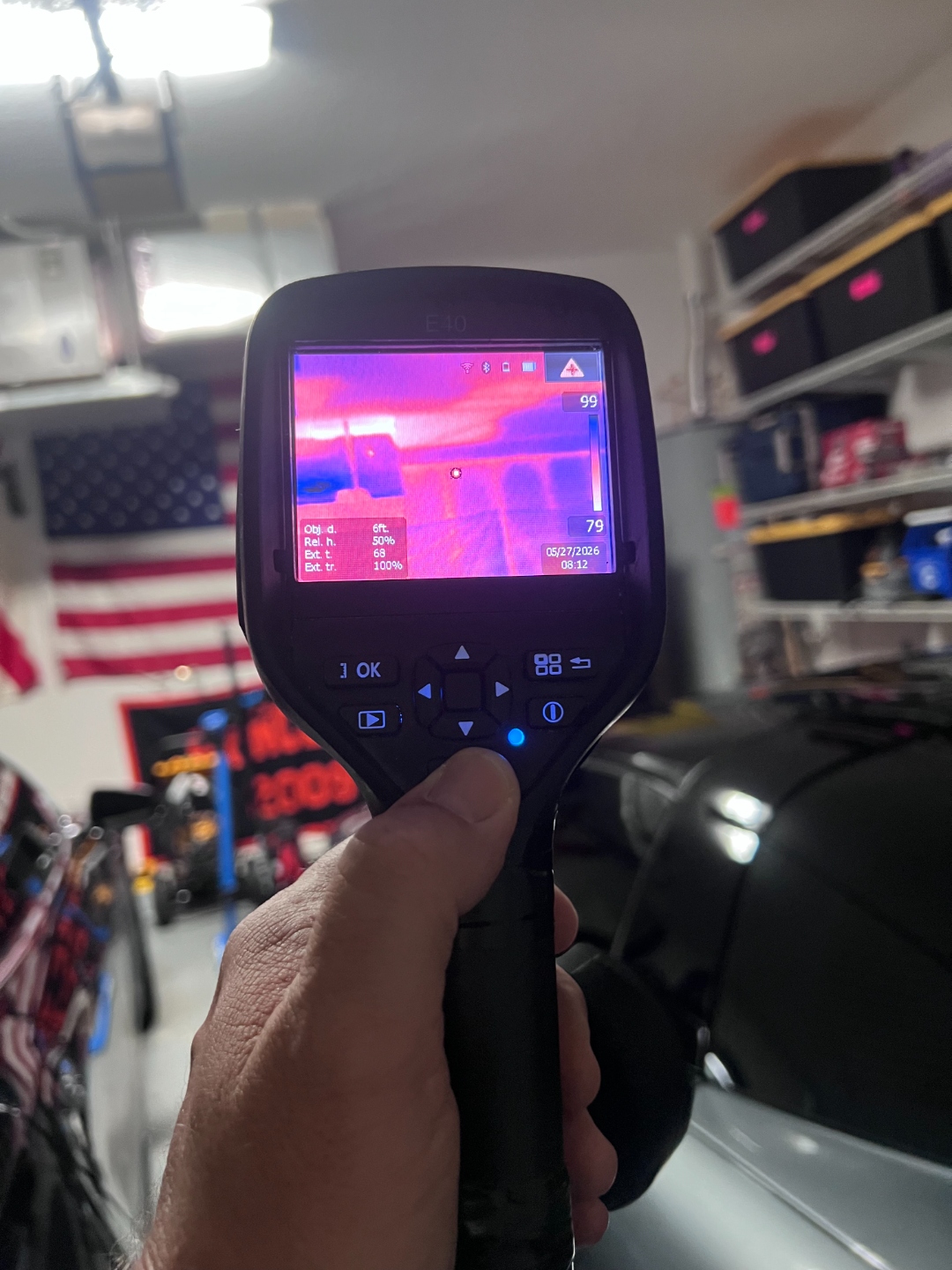
Infrared scanning to identify temperature differences that may indicate trapped moisture behind a wall or ceiling. Thermal imaging finds temperature differences only, never mold directly.
HVAC Evaluation
A review of air handling equipment and ductwork, particularly relevant in a humid, waterfront environment.
Mold and Air Quality Testing
Air and surface sampling through an independent laboratory when visual and instrument findings warrant it.
A finding with no stake in the repair
Home Enviro is an independent inspection and testing company. We never perform remediation, removal, restoration, or repair work, and we never recommend a specific contractor. In a boating-centric community where docks, seawalls, and waterfront upkeep are already part of everyday homeownership, having a mold finding that carries no financial interest in what happens next matters.
Home Enviro has served South Florida since 2016, supported by more than 20 years of industry experience.
Buyers, sellers, and rebuilds in Lighthouse Point
With a housing stock spanning original 1950s construction and newer elevated rebuilds, transaction-stage inspections here serve several distinct needs.
Home Buyers
A pre-purchase inspection gives a buyer documented, independent findings on a waterfront property's moisture condition before closing. See our Home Buyers Mold Inspections service.
Sellers of Original-Era Homes
Documenting the current condition of an original 1950s or 1960s ranch home ahead of listing can address buyer questions about aging systems before they become negotiation points.
New Construction and Rebuilds
For elevated, impact-engineered rebuilds replacing older canal-front homes, a post-construction or pre-drywall moisture check can confirm the building envelope is performing as designed.
When laboratory testing may be appropriate
Suspected Growth Near Waterlines
When suspected microbial growth is found near a seawall-adjacent wall or bilge-level space, surface sampling can help characterize it without relying on visual identification alone.
Occupant Health Concerns
Air sampling characterizes airborne spore concentrations at the time of testing when occupants report symptoms, understanding that a single sample never proves the absence of concealed mold elsewhere.
Post-Remediation Verification
After a separate remediation contractor completes work, independent PRV testing confirms whether clearance criteria were met.
What you receive
Documented Findings
Photos, moisture readings, and thermal images captured during the on-site inspection.
Laboratory Results
Complete independent laboratory results whenever sampling was performed.
Root Cause and Recommendations
Findings traced to a specific building science cause, with independent recommendations carrying no stake in any repair work.
Lighthouse Point mold inspection, answered
Direct waterfront access and proximity to seawalled canals mean humidity and grading toward the water are relevant factors worth including in a moisture investigation. That said, canal proximity alone does not confirm an active moisture or mold condition in a specific home; that can only be established through direct inspection.
The inspection methodology is the same for both, but age is a relevant factor to account for. Original-era homes may have aging plumbing, roofing, or window seals worth closer scrutiny, while newer elevated rebuilds are evaluated for how well their building envelope is performing under current conditions.
It means moisture intrusion from flooding or storm tide is a realistic consideration for any property in the city, which is why a moisture investigation is a standard part of every inspection here. It does not mean every home has an active issue; each property is assessed on its own evidence.
Docks and boat lifts themselves are not part of a structural mold inspection, but if a seawall, dock structure, or boathouse is physically connected to or adjacent to the home, drainage and moisture patterns near that connection point can be included in the assessment where relevant.
No. Thermal imaging identifies surface temperature differences that can suggest trapped moisture behind a wall. It does not detect mold directly. Confirming actual fungal growth requires a physical finding or a laboratory result.
No. Home Enviro is an independent inspection and testing company and never performs remediation, removal, or repair work of any kind.
Also serving neighboring Broward communities
Schedule an independent mold inspection in Lighthouse Point
Serving the waterfront homeowners of Lighthouse Point and the surrounding Broward County communities.