Mold Testing
Air and surface sampling processed by independent, accredited laboratories to identify species and spore concentrations, giving you documented, lab-verified answers rather than guesswork.
Testing complements a visual inspection, it doesn't replace it
A visual inspection tells us what we can see and where moisture is present. Sampling and laboratory analysis tell us what species are actually growing and, in the case of air sampling, what concentrations of spores are present in the air occupants breathe. Home Enviro uses both together, because either one on its own can miss part of the picture.
When testing adds real value
Testing is most useful when contamination is suspected but not visible, when a report needs to identify specific species rather than describe general growth, or when a transaction, legal matter, or post-remediation verification calls for independent laboratory documentation.
Inspection and testing only
Home Enviro performs inspection and testing only and never performs remediation. Samples are always sent to an independent, accredited laboratory rather than analyzed in-house, keeping sampling and analysis separate from each other.
Spore trap sampling of the air occupants breathe
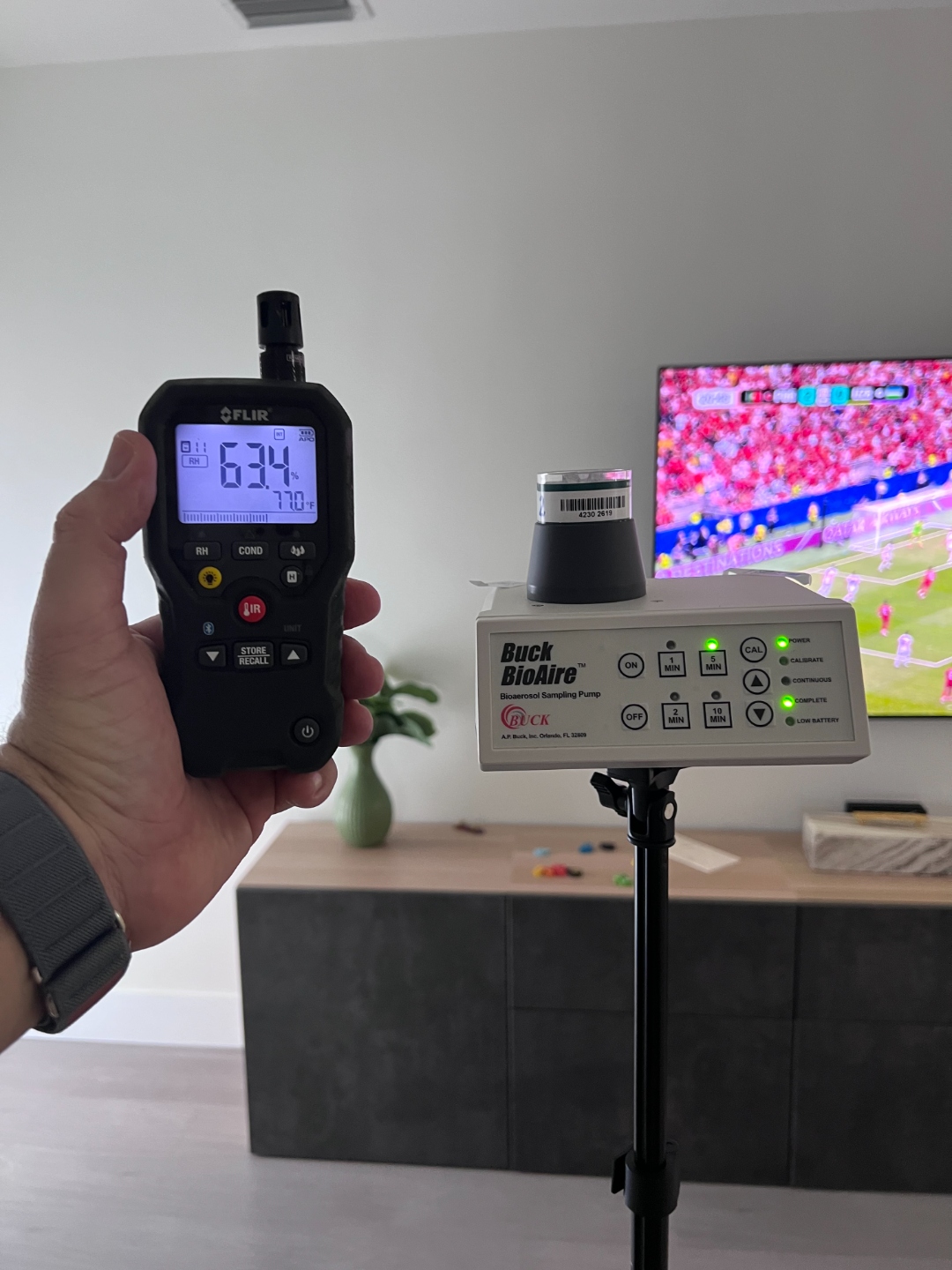
Air sampling is performed with a Buck BioAire bioaerosol sampling pump and spore trap cassettes to characterize airborne fungal concentrations inside a property. This method captures a snapshot of what is actually suspended in the air at the time of the inspection, which is a different question than what is growing on a visible surface.
Air samples are typically collected in multiple locations, including areas of concern and a comparison location, so results can be read in context rather than in isolation.
Swab and tape-lift sampling at the source
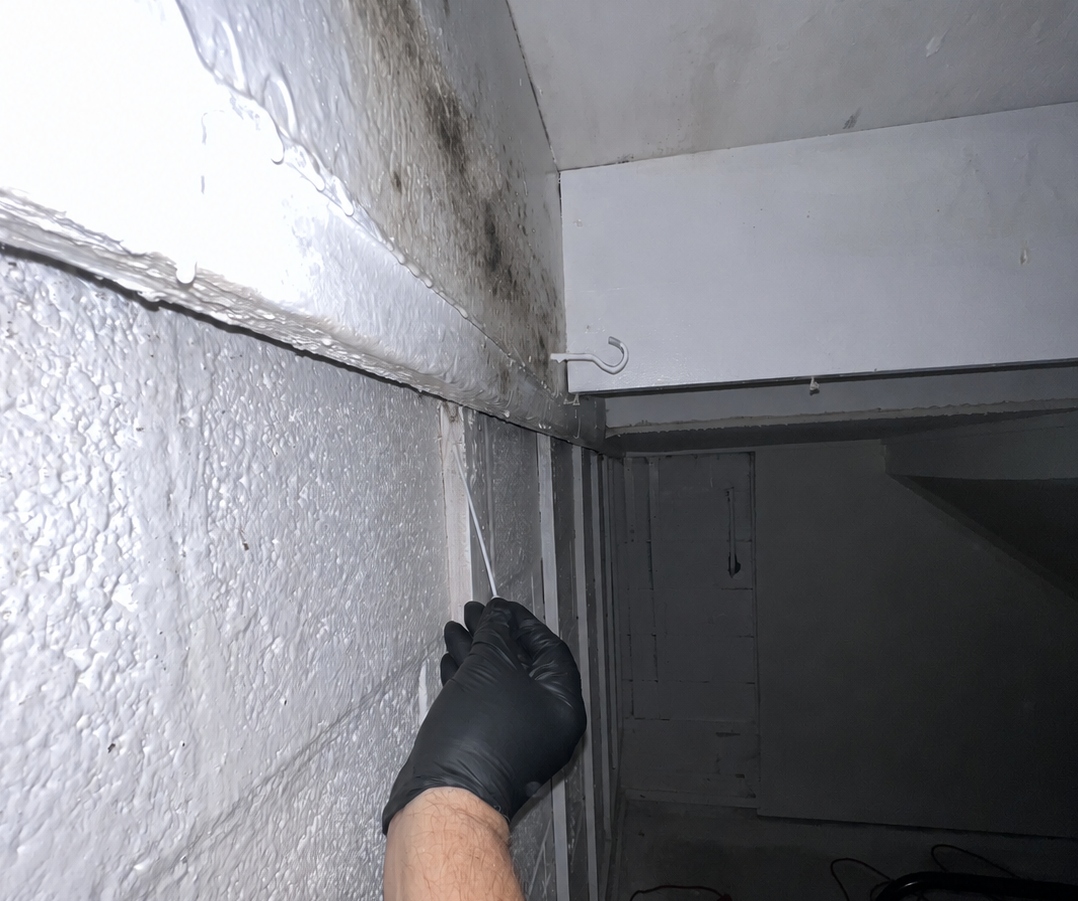
Surface sampling uses direct swab and tape-lift methods on suspect surfaces for laboratory identification. Rather than sampling the surrounding air, this method collects material directly from a stain, discoloration, or suspected growth so the laboratory can identify exactly what is present at that specific location.
Surface sampling is especially useful for confirming whether a visible stain or discoloration is actual fungal growth, and for identifying the specific species present once growth is confirmed.
Independent lab analysis, not in-house guesswork
Every air and surface sample is sent to an independent, accredited laboratory for analysis. The lab identifies the mold species present and, for air samples, the concentration of spores per cubic meter of air. Because the lab is separate from the party that collected the samples, the results are independent and defensible.
This separation between sampling and analysis is intentional. It means the same lab report you receive could be reviewed by anyone else, including another consultant, an attorney, or an insurance adjuster, without relying on our interpretation alone.

Reading a lab report in plain language
A laboratory report is a list of species names and numbers. On its own, it doesn't tell you what those numbers mean for your specific property, which is why we walk clients through their results directly.
Species identification
The lab identifies which mold species are present in each sample. Some species are common and widespread, while others are more commonly associated with water-damaged building materials.
Spore concentrations
For air samples, results are reported as spore concentrations. These numbers matter most when compared against a same-day outdoor or unaffected-area sample from the same property, not against a generic threshold.
Context from the inspection
We interpret lab results alongside our own visual findings and moisture readings from the property, so the numbers are explained in the context of what we actually observed on site.
Original documentation from real investigations
We don't rely on stock photography. Every image below reflects the type of evidence produced during an actual mold testing engagement.
Air Sampling
Spore trap sampling used to characterize airborne fungal concentrations.
Surface Sampling
Direct swab and tape-lift sampling from suspect surfaces for laboratory identification.
Laboratory Reports
Independent lab analysis identifying species and spore concentrations.
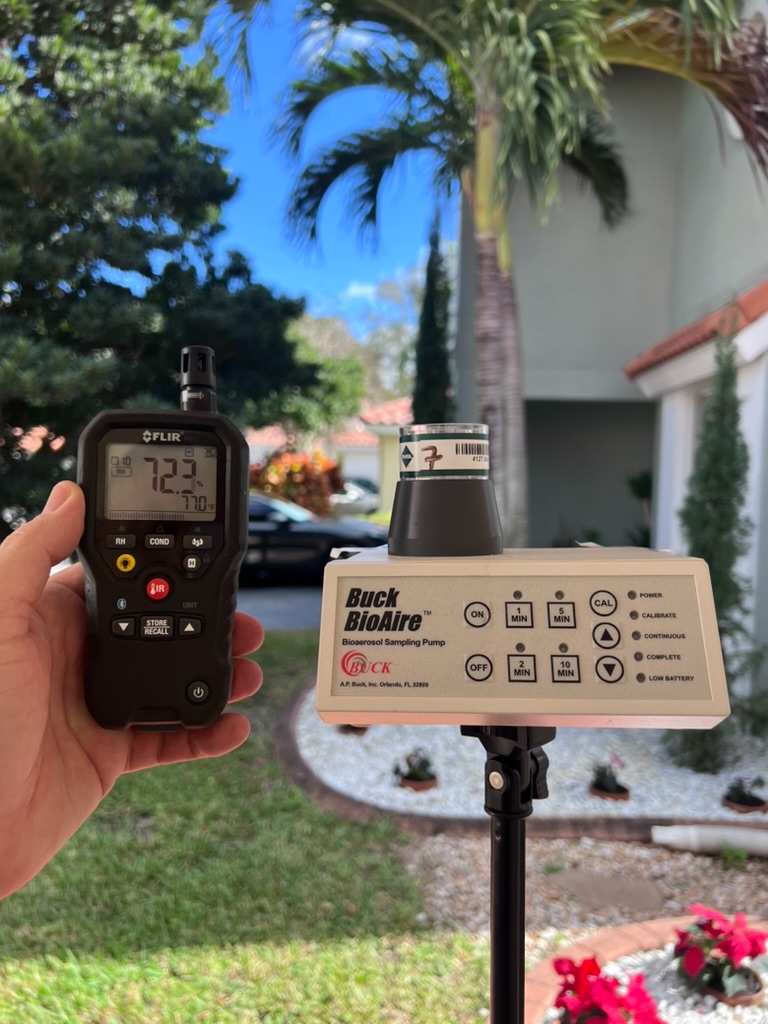
Exterior Air Sampling
An outdoor baseline sample gives lab results a comparison point specific to the property.
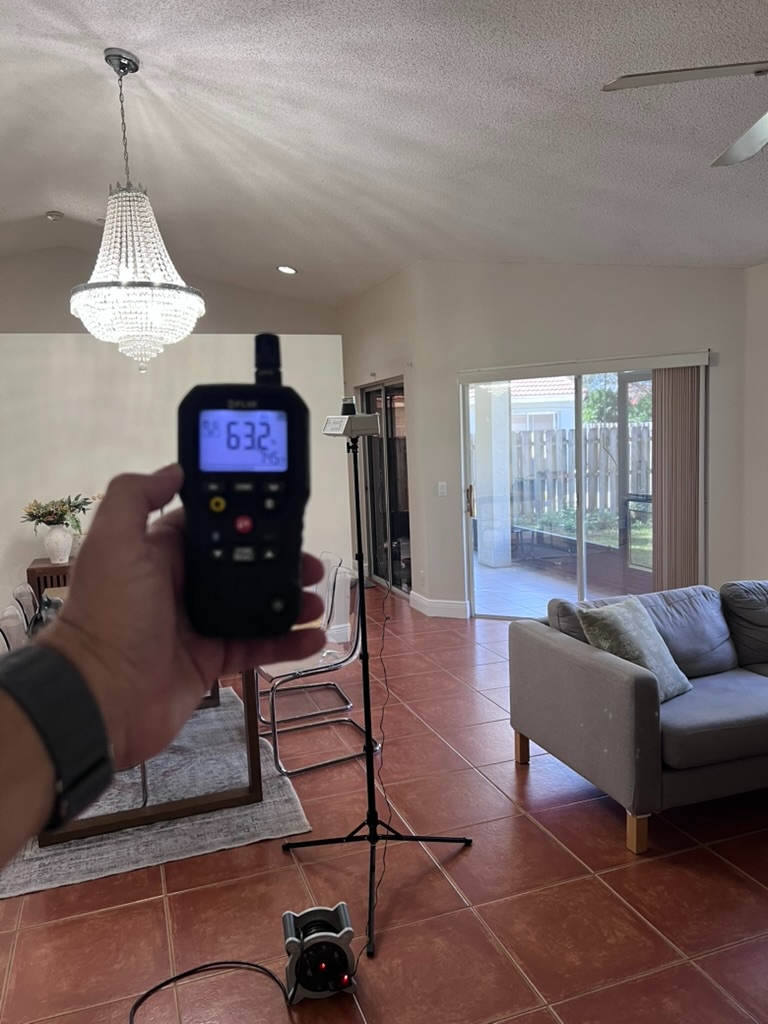
IAQ Sampling Setup
Sampling equipment staged and calibrated before a room-by-room air quality assessment.
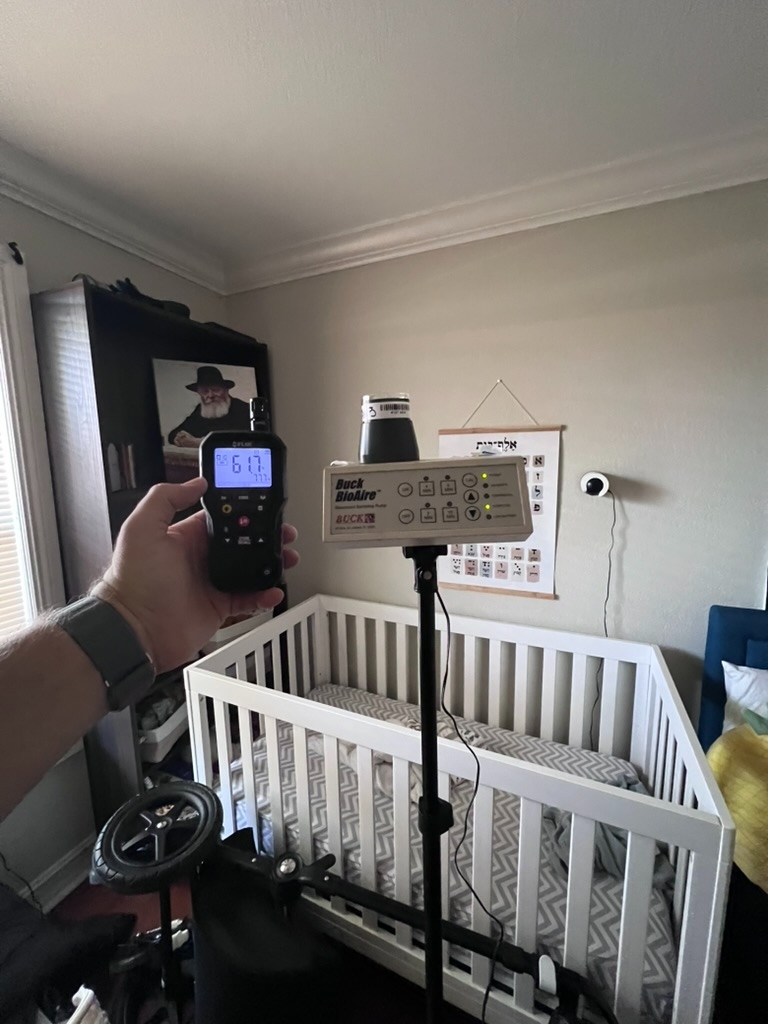
Bedroom Air Assessment
Occupied living spaces are sampled directly, reflecting the air occupants actually breathe.
Mold testing, answered plainly
Not always. Visible growth can often be documented and addressed based on a visual inspection alone. Testing is most useful when growth is not visible but is suspected, when you need to confirm what species are present, or when documentation is needed for a transaction, dispute, or post-remediation verification.
Air sampling uses a spore trap and a bioaerosol sampling pump to characterize airborne fungal concentrations in a room, which helps assess what occupants may be breathing. Surface sampling uses direct swab or tape-lift methods on a suspect surface to identify what is actually growing at that specific location.
Samples are sent to an independent, accredited laboratory rather than analyzed in-house. This separation keeps the sampling and the analysis independent of each other, and the lab identifies species and spore concentrations directly from the sample.
Yes. A lab report on its own is a list of species and spore counts. We review those results alongside our visual and moisture findings from the property so you understand what the numbers mean in the context of your specific building, not just as numbers on a page.
Mold testing works best alongside a full assessment
Sampling is one part of a complete investigation. These related services fill in the rest of the picture.
Mold Inspection
Systematic identification and documentation of fungal growth, its extent, and its underlying moisture source.
Indoor Air Quality Testing
Analysis of airborne particulates, spore concentrations, ventilation performance, and occupant exposure risk.
HVAC Mold Inspections
Inspection of air handlers, ductwork, and coils for microbial growth, condensation defects, and airflow issues.
Book accredited mold testing today
Serving Miami-Dade, Broward, and Palm Beach Counties, with lab-verified results you can rely on.