Mold inspection for the Town of Palm Beach, an island municipality of its own
The Town of Palm Beach is a distinct barrier island municipality incorporated in 1911, separate from the city of West Palm Beach across the Intracoastal Waterway and separate from Palm Beach County as a whole. Home Enviro brings independent, evidence based inspection to homeowners and condominium associations on the island.
An address on the island tells you very little about what is behind the walls
A historic estate near the ocean and a mid century condominium facing the Intracoastal Waterway can have completely different moisture histories even though both sit within the Town of Palm Beach. A mold assessment relies on direct measurement and documentation of the specific property, not an assumption based on the island's reputation or a building's exterior.
A narrow barrier island squeezed between the ocean and the Intracoastal
The Town of Palm Beach was incorporated on April 17, 1911, and it occupies its own barrier island roughly 18 miles long, narrowing in places to as little as 500 feet wide, with the Atlantic Ocean on the east side and the Intracoastal Waterway, known locally as the Lake Worth Lagoon, on the west. That geography means essentially every property in town sits within a short distance of saltwater on at least one side, whether the address is an oceanfront estate or a condominium unit closer to the lagoon. The island itself is a sand covered ridge of coquina rock, with an average elevation of only about 7 feet and a high point of roughly 30 feet at the Palm Beach Country Club golf course.
This stretch of coastline has a documented storm surge history. The September 1947 hurricane produced an 11 foot storm tide near Palm Beach, the highest on record for the area, and the 1928 hurricane generated a storm tide of nearly 10 feet while severely damaging the Hotel Royal Poinciana, once the largest wooden structure in the world. Historical and scientific literature has identified 17 separate storm surge events near the Palm Beach area since 1900, and five hurricanes since 1926 have produced coastal floods of at least 7 feet locally.
Town regulations reflect that reality: every condominium or cooperative building three stories or taller in the Town of Palm Beach must undergo a structural milestone inspection once it reaches 30 years old and every 10 years afterward. The town's population swells from roughly 9,200 year round residents to about 25,000 during the winter season from November through April, meaning many units sit unoccupied and unmonitored for stretches of the year, a pattern that can allow a small moisture issue to go unnoticed longer than it would in a full time residence.
Scaled to island estates and condominium associations alike
Visual Assessment
A systematic review of the structure, adapted to whether the property is a historic island estate or a unit within a condominium association facing the ocean or the Intracoastal Waterway.
Moisture Investigation
Given the island's narrow width and its position between two bodies of saltwater, moisture mapping around window seals, roof penetrations, and lower level walls is a genuinely relevant focus.
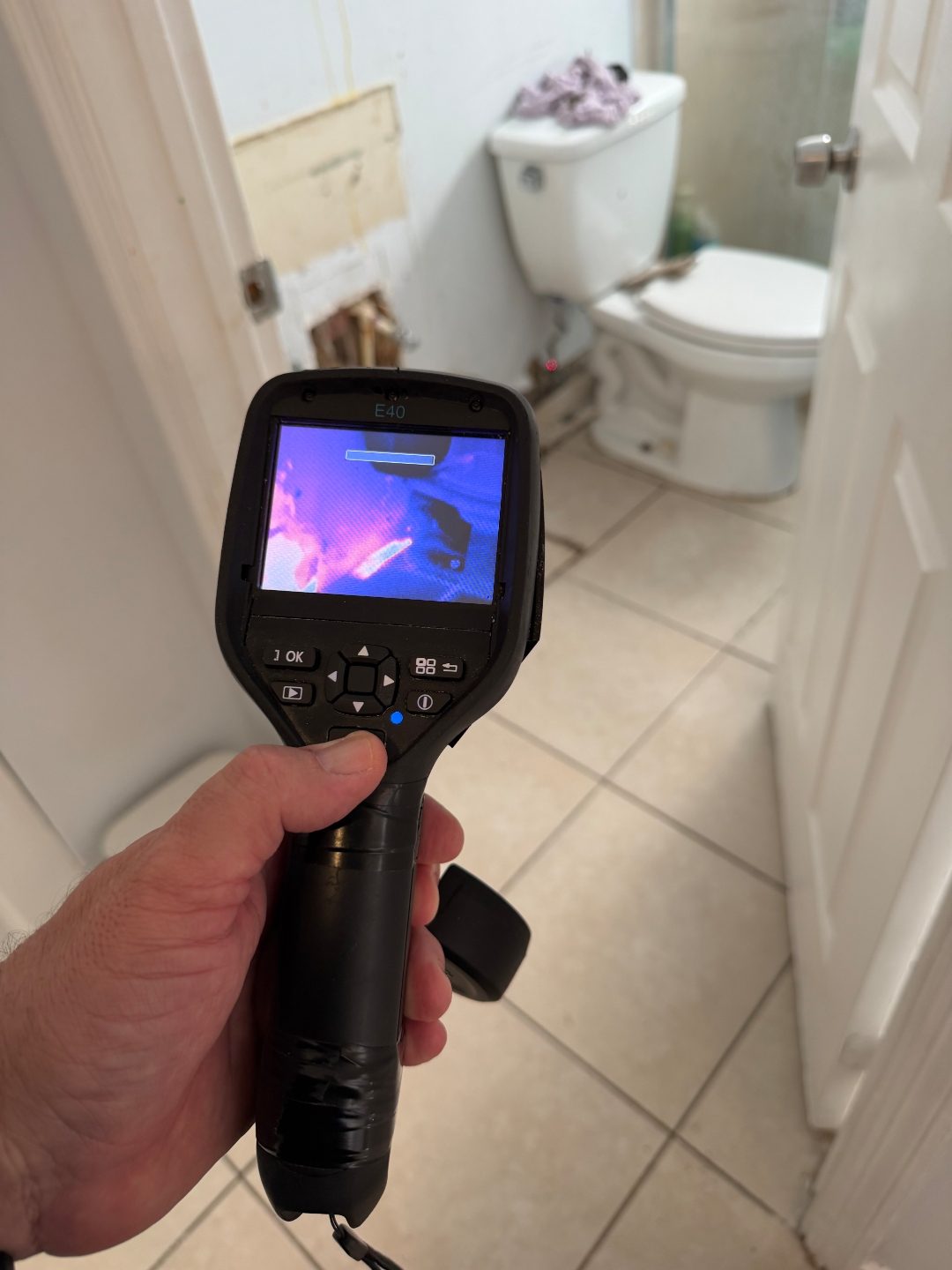
Thermal Imaging
Infrared scanning identifies temperature differences that can be consistent with trapped moisture. Thermal imaging does not detect mold directly; findings are always confirmed with direct measurement.
HVAC Evaluation
Air handler and ductwork review, especially relevant in seasonally occupied condominiums where a unit may sit closed up for months at a time.
Mold and Air Quality Testing
Independent, accredited laboratory sampling when scientifically warranted by what the visual and instrumented findings show.
Built for an island of estates, condominiums, and seasonal residences
Home Buyers
An independent read on a property's condition before a purchase closes, particularly relevant given the island's age of housing and its close proximity to saltwater. See our Home Buyers Mold Inspections service.
Sellers
A documented pre-listing inspection gives sellers a clear record of a property's condition ahead of buyer due diligence.
HOA and Condo Boards
Condominium and cooperative boards overseeing buildings three stories or taller already coordinate mandated milestone structural inspections, and an independent mold assessment provides a separate layer of documentation. See our Commercial Mold Inspections service.
Property Managers
Technical background for evaluating recurring moisture or air quality complaints across seasonally occupied units on the island.
No remediation contract waiting behind our findings
Home Enviro has served South Florida since 2016, supported by more than 20 years of industry experience. We perform independent mold inspection, testing, and Post Remediation Verification exclusively, and we never perform remediation, removal, or repair work of any kind.
For a condominium board managing shared liability across a building of owners, that independence is especially valuable: a board can rely on our findings without wondering whether the scope of recommended work was inflated to generate a remediation contract. The report simply documents what is present and where it likely originates, leaving the decision about next steps, including whether and who to hire for remediation, entirely up to the property owner or association.
Objective results for shared-community decisions
Sampling is appropriate when growth is not clearly visible but symptoms are reported, when a unit has a history of water intrusion, or when an HOA or condo board needs objective, lab-verified documentation to support a decision affecting multiple owners.
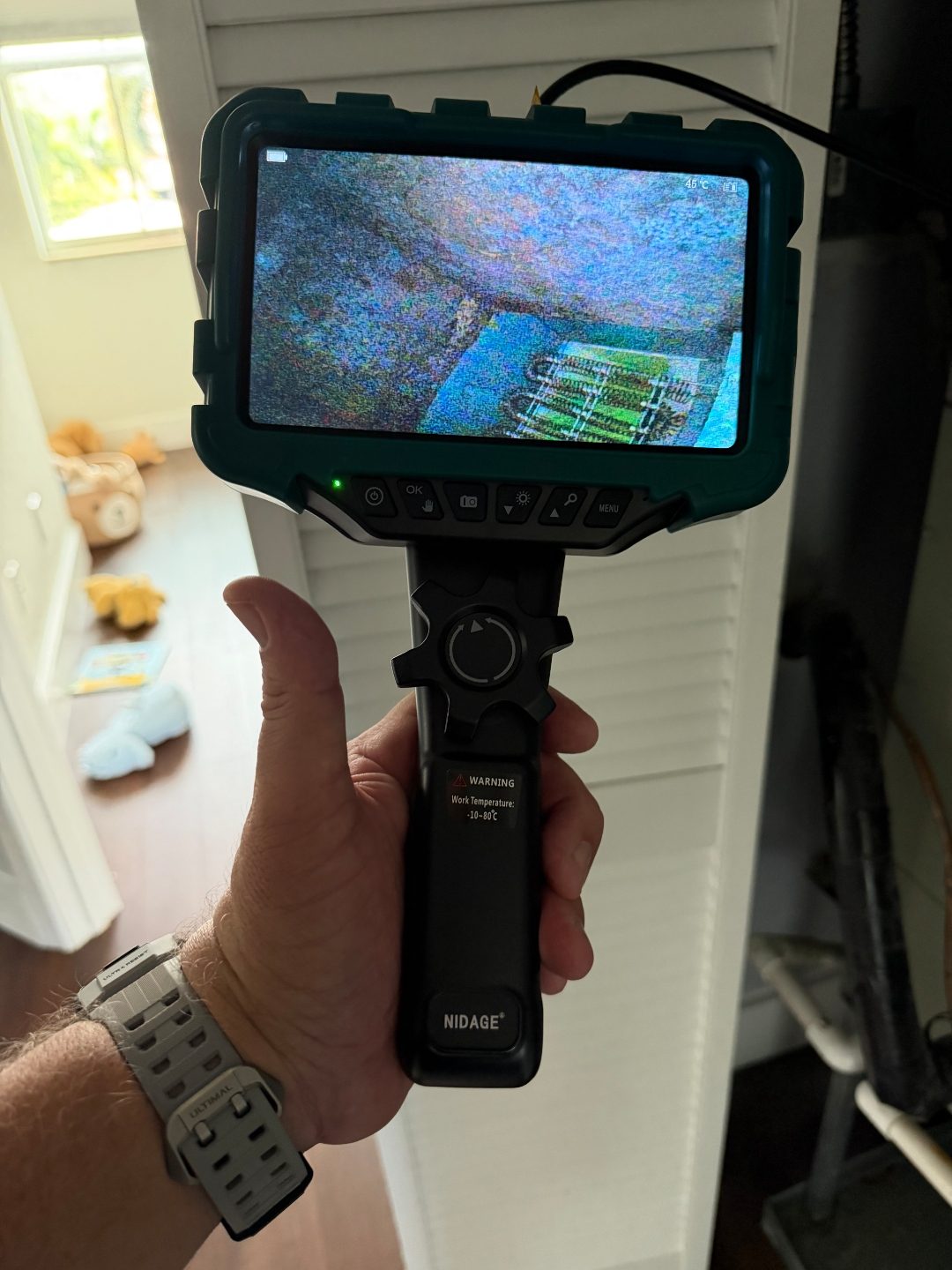
Visual Observations
What can be seen directly during the walkthrough: staining, discoloration, or suspected microbial growth.
Instrument Readings
Moisture meter and thermal imaging data, reported as a distinct category of evidence from a visual observation.
Laboratory Findings
Independent lab analysis when sampling is performed. One air sample never proves the absence of concealed mold.
What you receive after the inspection
Photo and Data Documentation
Every finding is documented with photographs, moisture readings, and thermal imagery from your Palm Beach property.
Laboratory Results
When sampling was performed, independent laboratory results are included in full, clearly separated from field observations.
Findings and Recommendations
Findings trace back to a specific building condition, closing with clear, independent recommendations suitable for an individual owner or an HOA board.
Other disciplines relevant to Palm Beach properties
Commercial Mold Inspections
Large-scale assessments suited to the Town of Palm Beach's condominium associations.
HVAC Mold Inspections
Air handler and ductwork inspection for townhome and condominium mechanical systems.
Mold Inspection
The core independent, evidence-based inspection process used on every Palm Beach property.
Mold inspection in the Town of Palm Beach, answered
No, and this is a common point of confusion. The Town of Palm Beach is its own small barrier island municipality, incorporated in 1911, separated from the city of West Palm Beach by the Intracoastal Waterway. Palm Beach County is the much larger county that contains both the Town of Palm Beach and West Palm Beach along with dozens of other cities. This page covers Home Enviro's independent mold inspection service specifically for properties within the Town of Palm Beach itself.
Yes. The town occupies an 18 mile long barrier island that narrows to as little as 500 feet in places, with the Atlantic Ocean on one side and the Intracoastal Waterway on the other, so every property here sits close to saltwater on at least one side. An inspection on the island typically pays close attention to window and door seals, roof penetrations, and any area where wind driven rain or salt air exposure could allow moisture to reach interior wall cavities over time.
No, they are separate processes. Under Florida law, any condominium or cooperative building three stories or taller in the Town of Palm Beach must undergo a milestone structural inspection once the building reaches 30 years old and every 10 years after that. A Home Enviro mold inspection is an independent, separate service focused on moisture and indoor air quality conditions rather than structural integrity, though both types of inspection can surface related information about a building's condition.
Historical records for this stretch of coastline are notable. The September 1947 hurricane produced an eleven foot storm tide near Palm Beach, the highest on record for the area, and the 1928 hurricane produced a storm tide of nearly ten feet and severely damaged the Hotel Royal Poinciana. Those events happened decades ago, but they illustrate why an oceanfront or low lying property on the island can benefit from periodic moisture checks rather than waiting for visible signs of a problem.
No. Thermal imaging shows temperature differences on a surface that can be consistent with trapped moisture or an air leak, but it does not detect mold directly. Any anomaly identified is followed up with a moisture meter reading, and sampling is used when further verification is scientifically warranted.
No. Home Enviro performs independent inspection, testing, and Post Remediation Verification only, and we never perform remediation, removal, or repair work. If remediation is needed, you would hire a separate contractor, and our report gives that contractor and you documented findings to work from.
Home Enviro also serves these nearby Palm Beach County cities
Book an independent mold inspection in the Town of Palm Beach
Serving homeowners, buyers, and condominium associations throughout the Town of Palm Beach and greater Palm Beach County.