An independent inspection combined moisture mapping, thermal imaging, indoor air quality testing, and a video borescope wall cavity inspection to uncover hidden microbial growth that a routine visual assessment and air sampling alone would have missed.
Home Enviro was contacted to perform an independent mold inspection at a condominium in Aventura, Florida, after the tenant discovered water damage affecting an interior wall and adjacent carpeting. The tenant's primary concern was determining whether prolonged moisture exposure had resulted in concealed mold growth within the wall cavity and surrounding building materials.
The inspection included a comprehensive visual assessment, moisture mapping, infrared thermal imaging, relative humidity measurements, laboratory air sampling, a wall cavity air sample, and a video borescope inspection of concealed building assemblies.
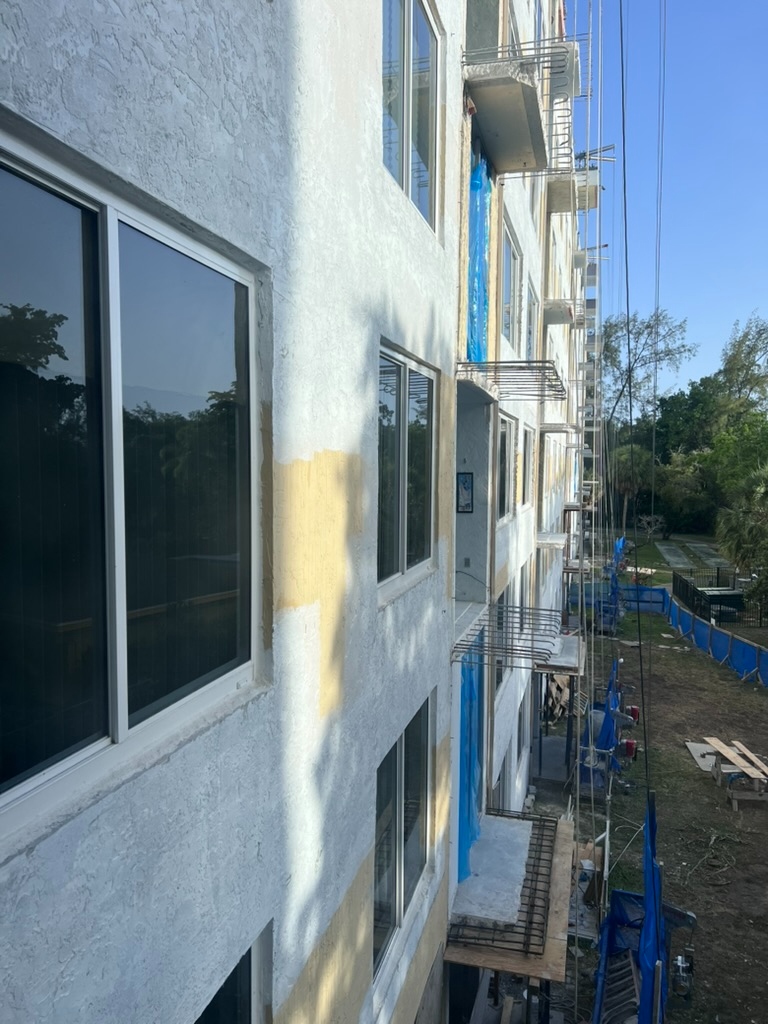
The tenant reported a combination of visible damage and a prior history of unresolved moisture, raising concern for hidden microbial growth behind the finished wall surfaces.
To fully characterize the extent of moisture intrusion and determine whether concealed mold growth was present, Home Enviro performed the following procedures:
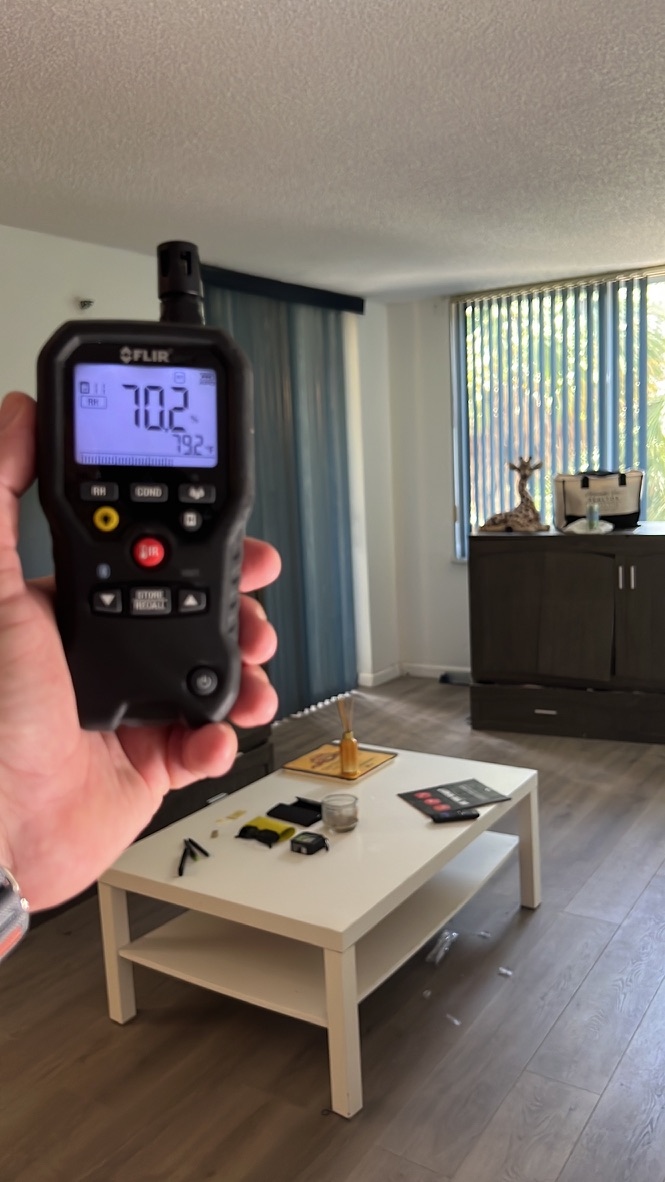
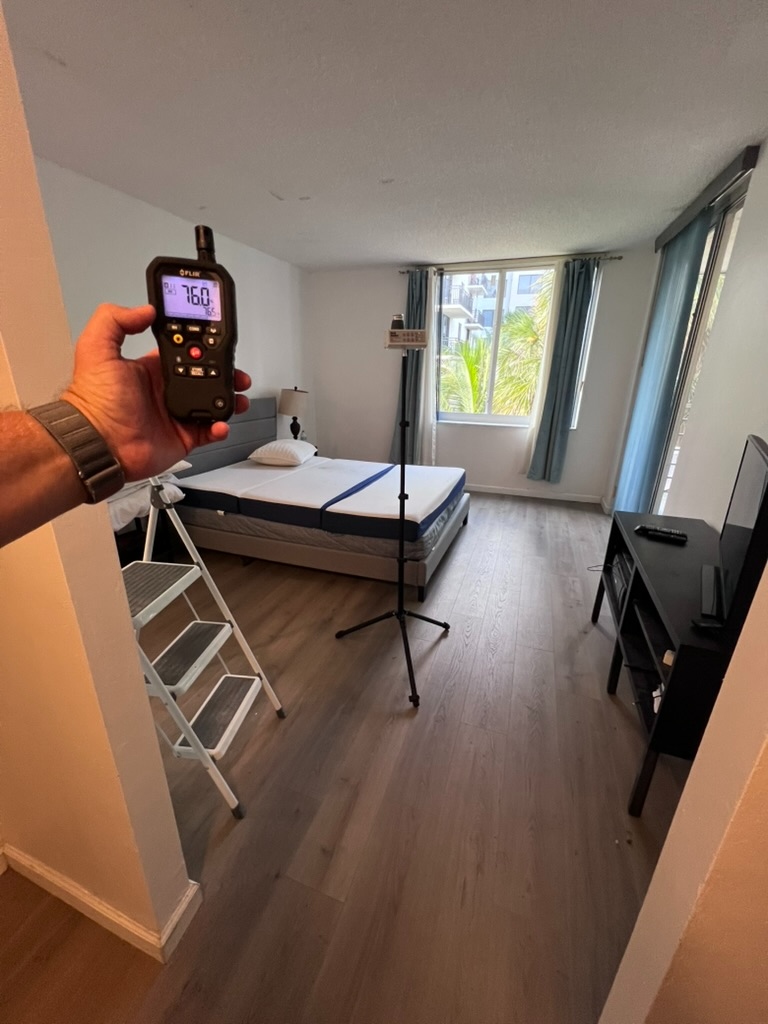
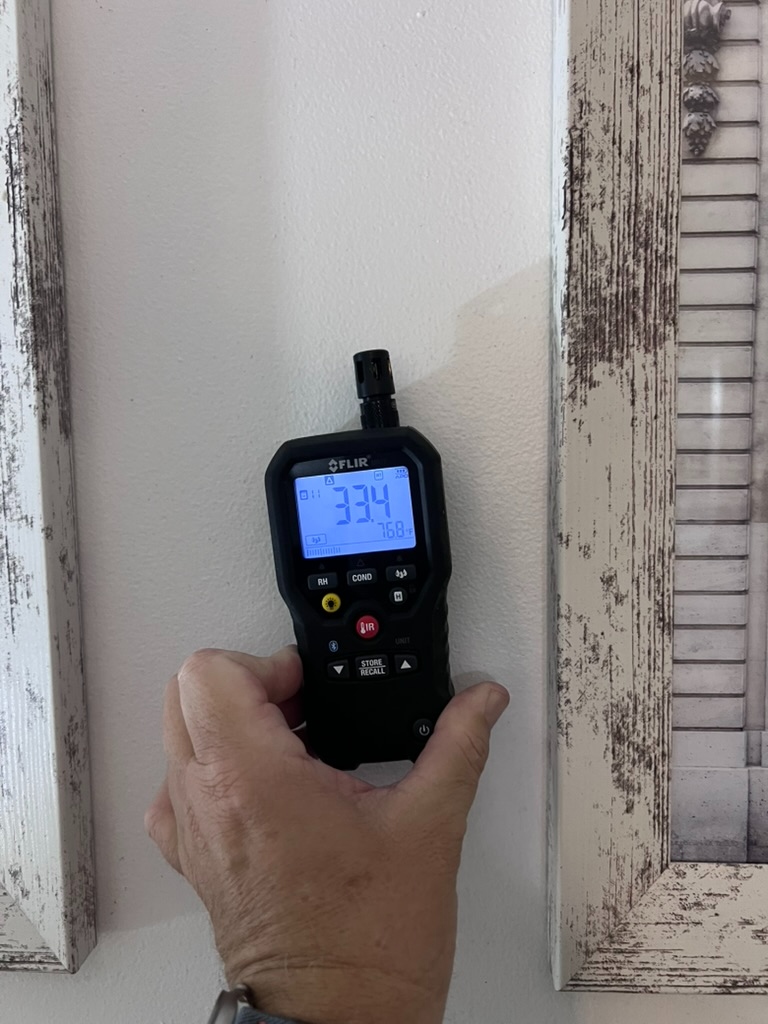
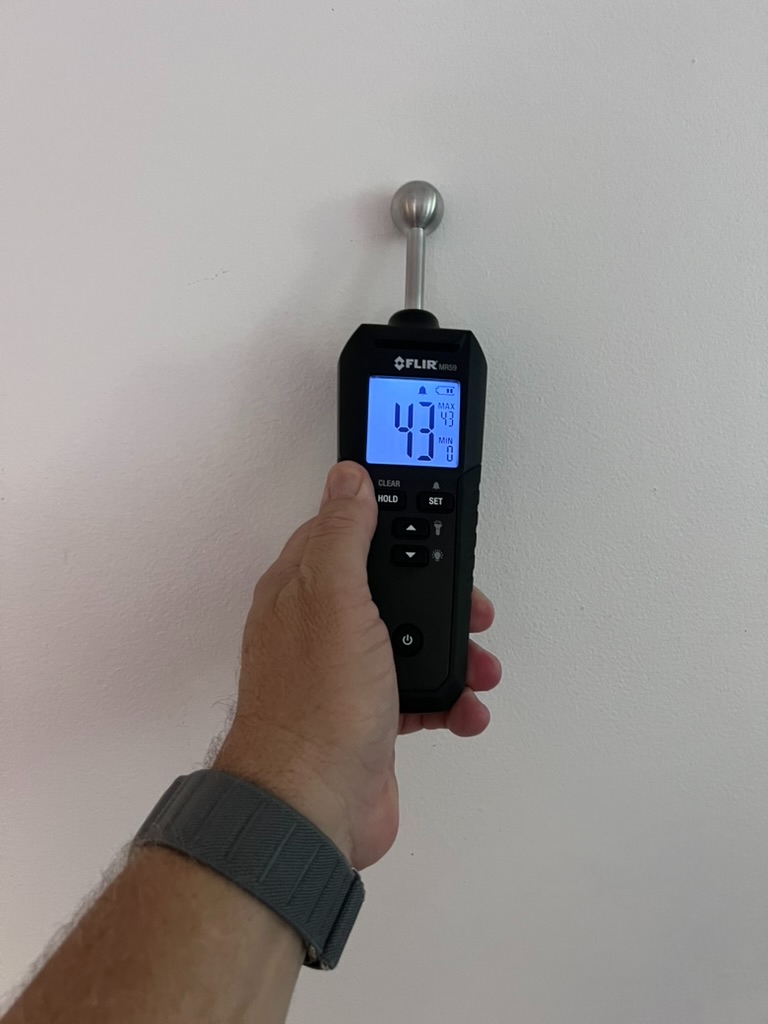
Moisture meter readings identified elevated moisture levels within multiple building assemblies, confirming conditions conducive to continued microbial growth.
| Area Surveyed | Condition Identified |
|---|---|
| Dining room wall | Elevated moisture content |
| Lower wall cavity | Elevated moisture content |
| Adjacent carpet | Elevated moisture content |
| Carpet padding | Elevated moisture content |
| Ceiling above master bathroom shower | Elevated moisture content |
Thermal imaging and a video borescope inspection connected a visible ceiling stain above the master bathroom shower to concealed microbial growth inside the wall assembly below.
The tenant reported water damage on the dining room wall, damp carpet nearby, and a musty odor tied to a prior moisture event that had never been fully corrected.
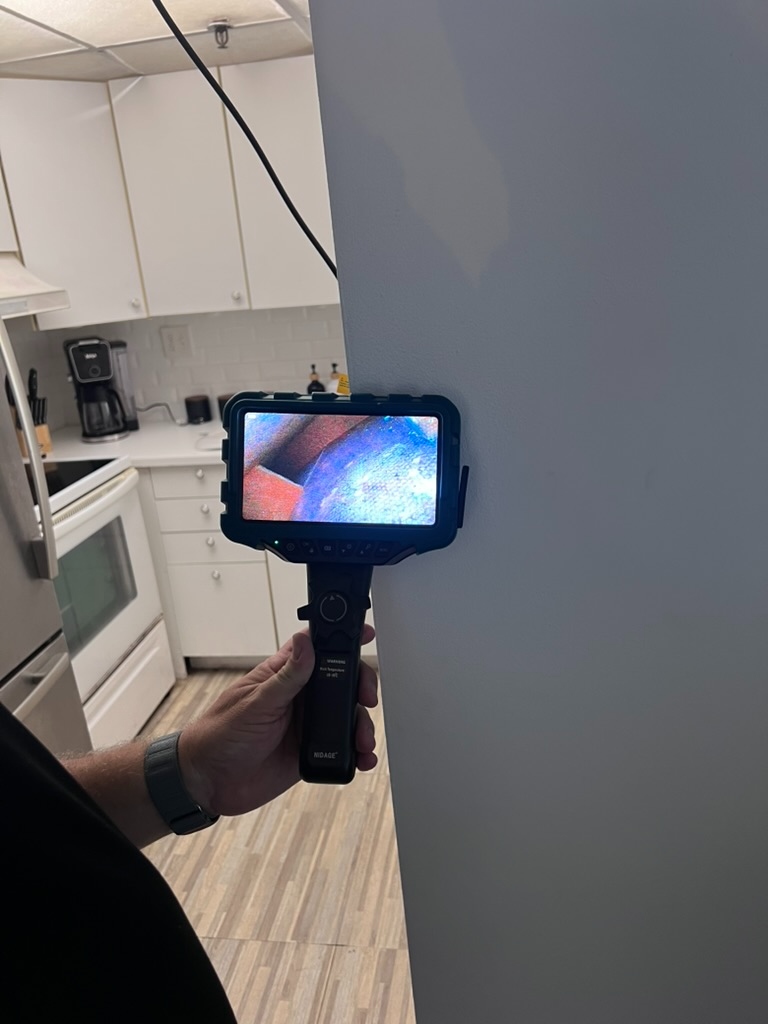
Moisture mapping and infrared thermal imaging were used across the dining room wall, adjacent carpet, and the ceiling above the master bathroom shower. Thermal anomalies directed a video borescope inspection through a limited access opening above the shower.
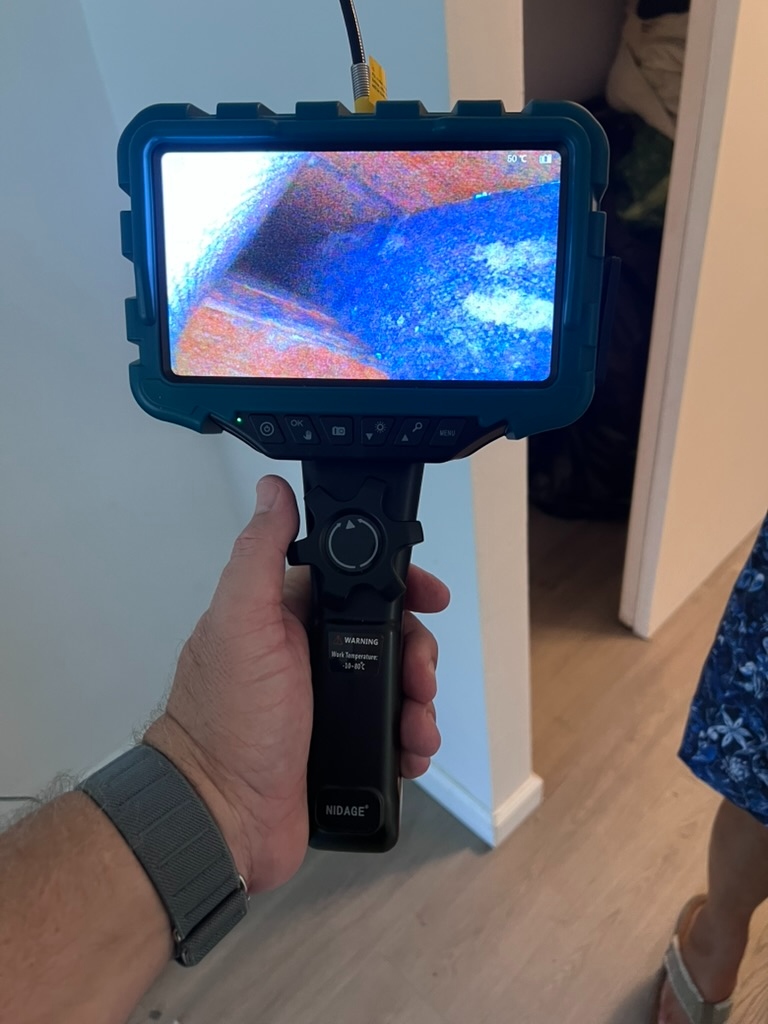
The borescope revealed visible suspected microbial growth on concealed drywall, moisture staining, and water-damaged building materials consistent with prolonged, unresolved moisture exposure — conditions that were not visible from inside the finished living space.
Laboratory air sampling showed indoor airborne fungal concentrations generally within acceptable limits, with only a slight elevation of Aspergillus/Penicillium relative to the outdoor control. On its own, that air sample would have suggested the space was largely unaffected. Because only a limited access opening was available, the full extent of the concealed contamination could not be determined without destructive investigation — which is precisely why direct wall cavity inspection, not air sampling alone, was needed to characterize the real condition of the wall assembly.
Infrared thermal imaging identified temperature anomalies consistent with elevated moisture inside the affected wall assembly, and assisted in locating concealed moisture to direct additional inspection.
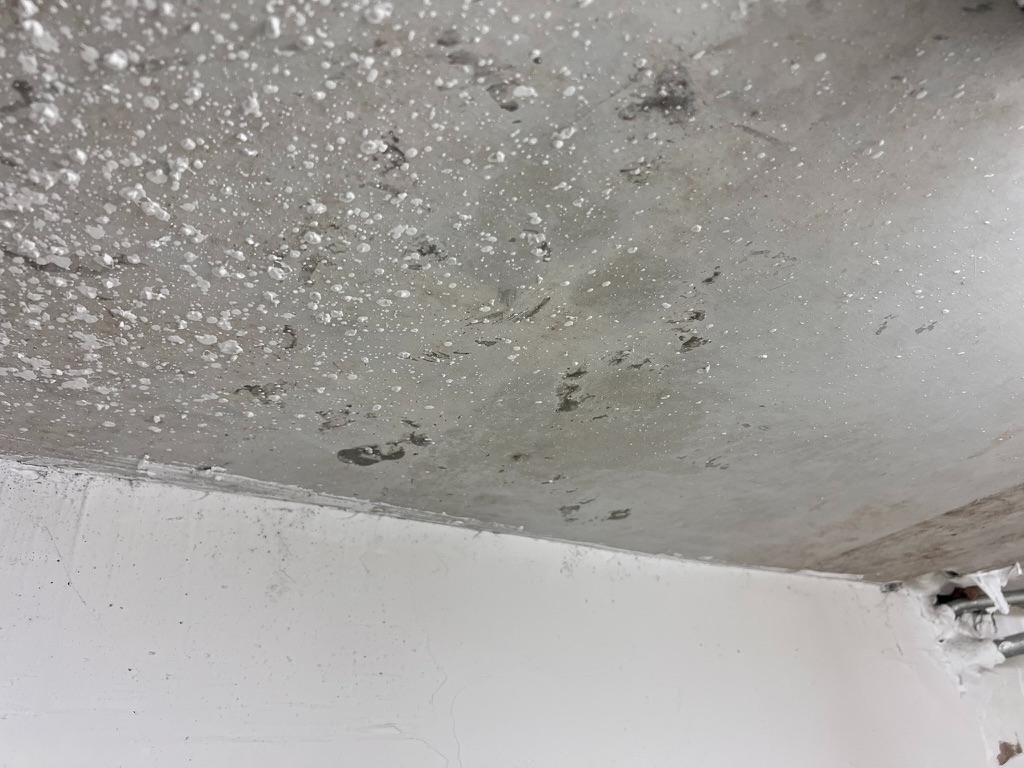
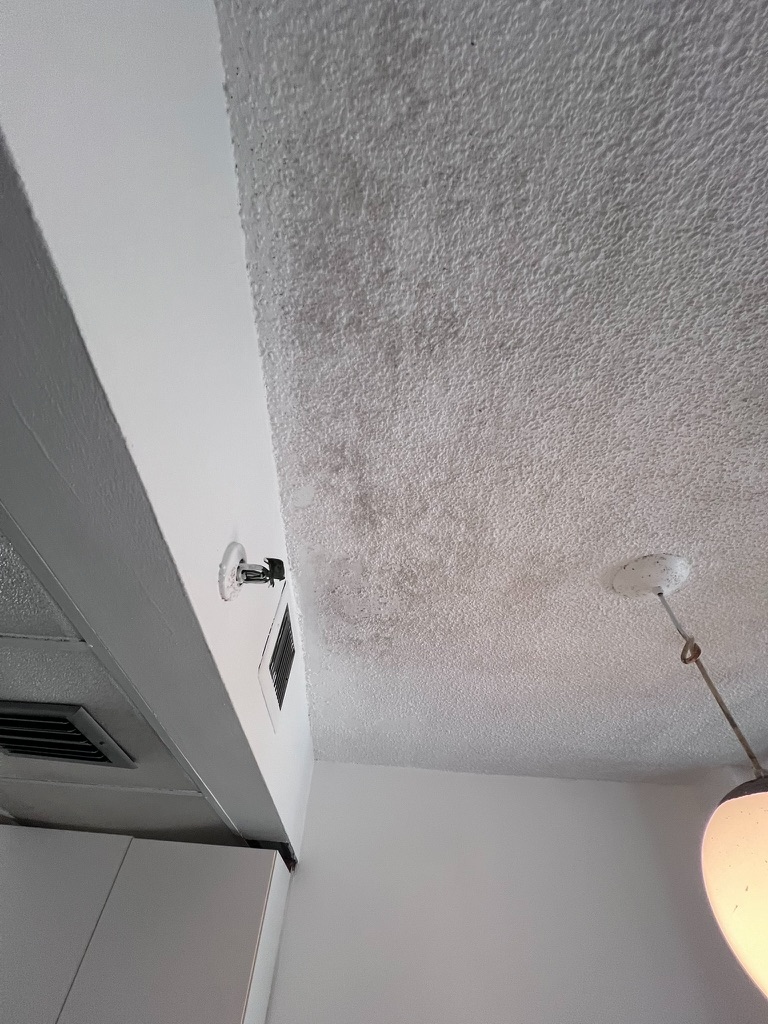
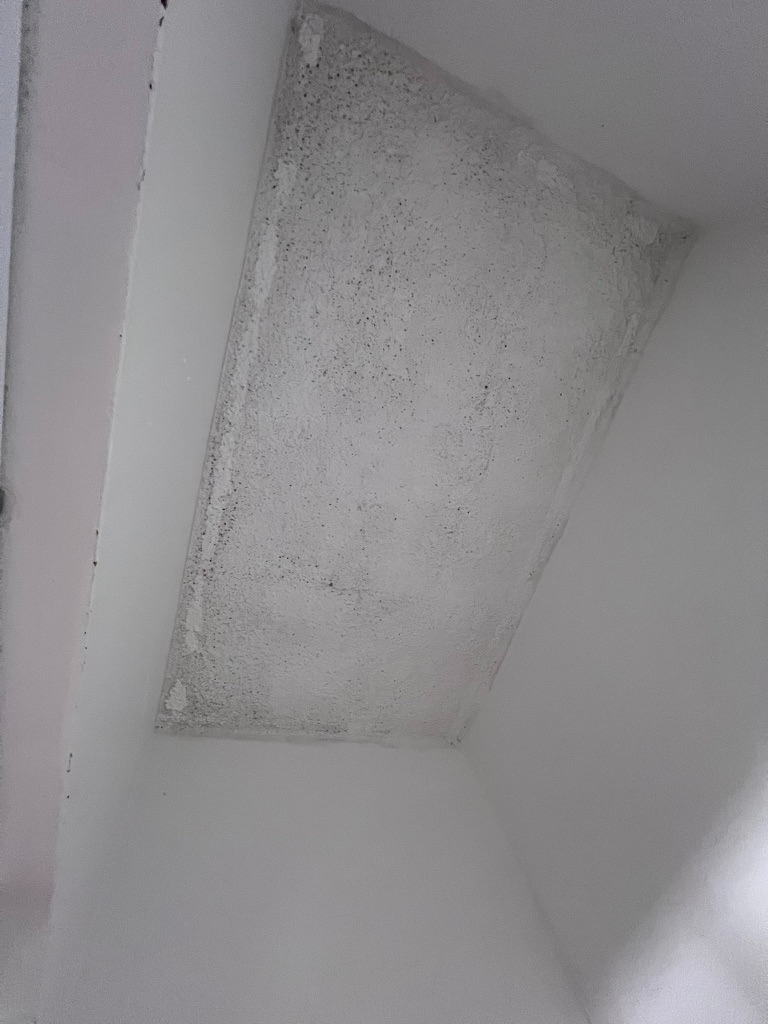
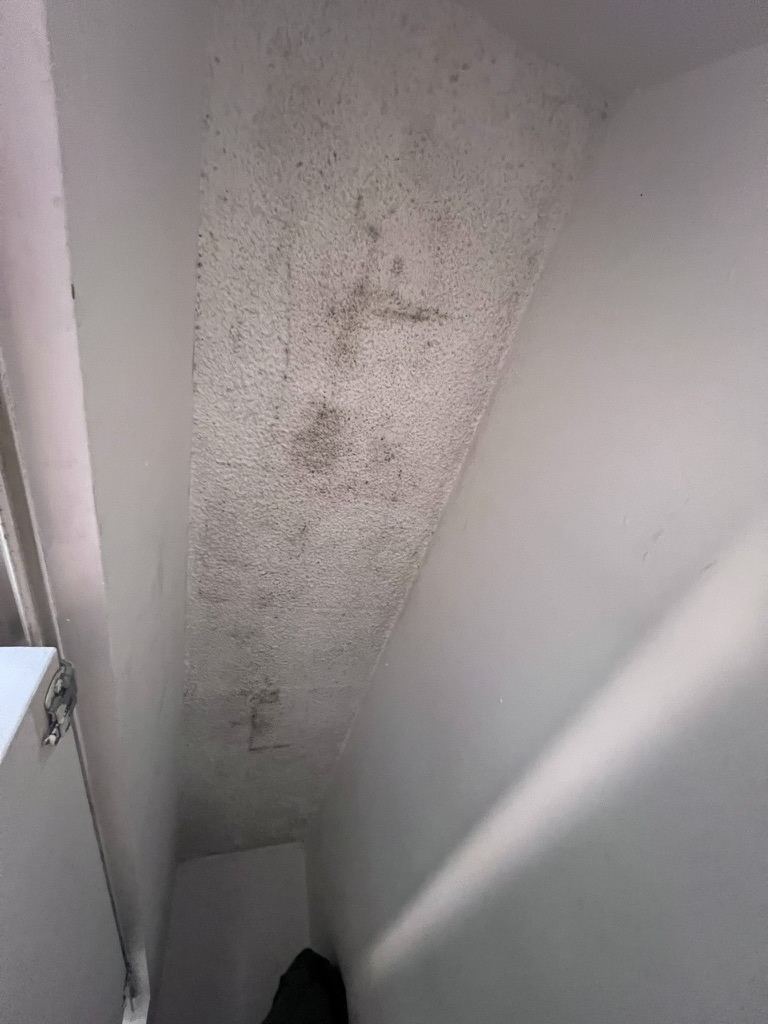
A video borescope inspection was performed through a limited access opening above the master bathroom shower. The inspection revealed visible suspected microbial growth on concealed drywall, moisture staining, water-damaged building materials, and evidence of prolonged moisture exposure.
Because only a limited opening was available, the complete extent of concealed contamination could not be determined without destructive investigation.
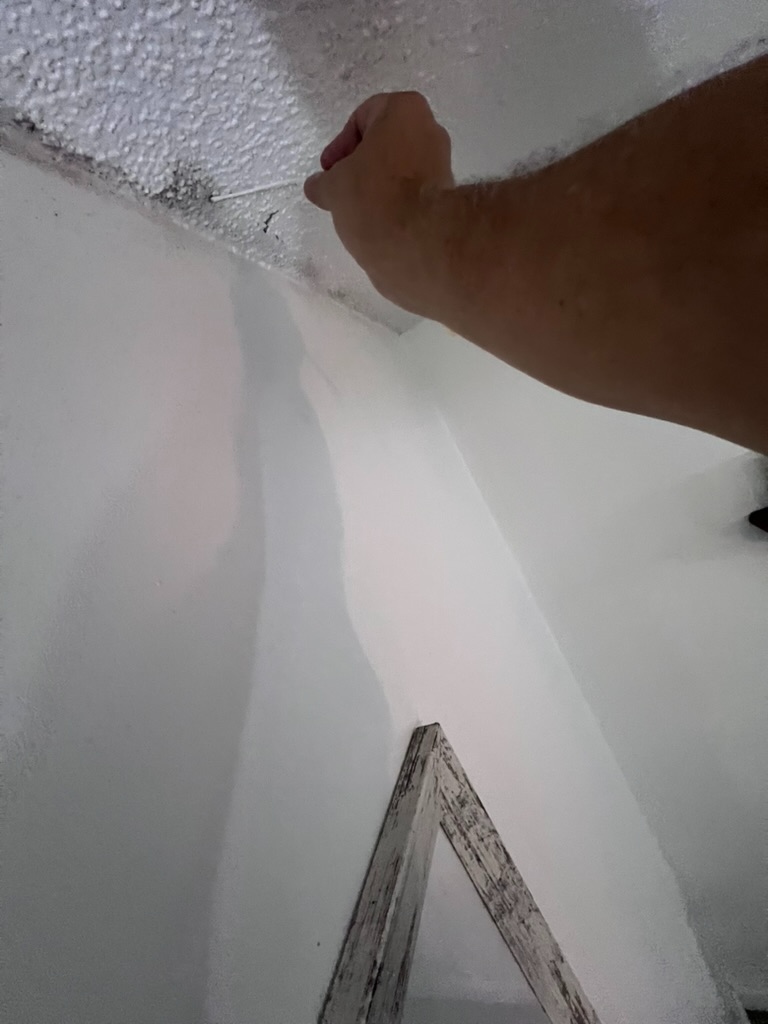
Environmental samples were submitted to an accredited laboratory. The analysis found indoor airborne fungal concentrations generally within acceptable limits, with slightly elevated Aspergillus/Penicillium compared to the outdoor control sample. Wall cavity sampling supported the visual observations of concealed moisture-related conditions.
The results demonstrate why acceptable indoor air quality does not necessarily rule out hidden mold growth inside wall cavities or other concealed building assemblies. Air sampling alone is not sufficient to characterize concealed contamination.
Original photographs captured on-site during the Aventura inspection, including moisture mapping, thermal imaging support, wall cavity borescope inspection, and equipment used throughout the investigation.
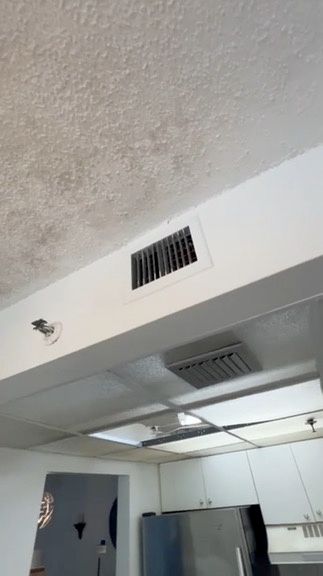
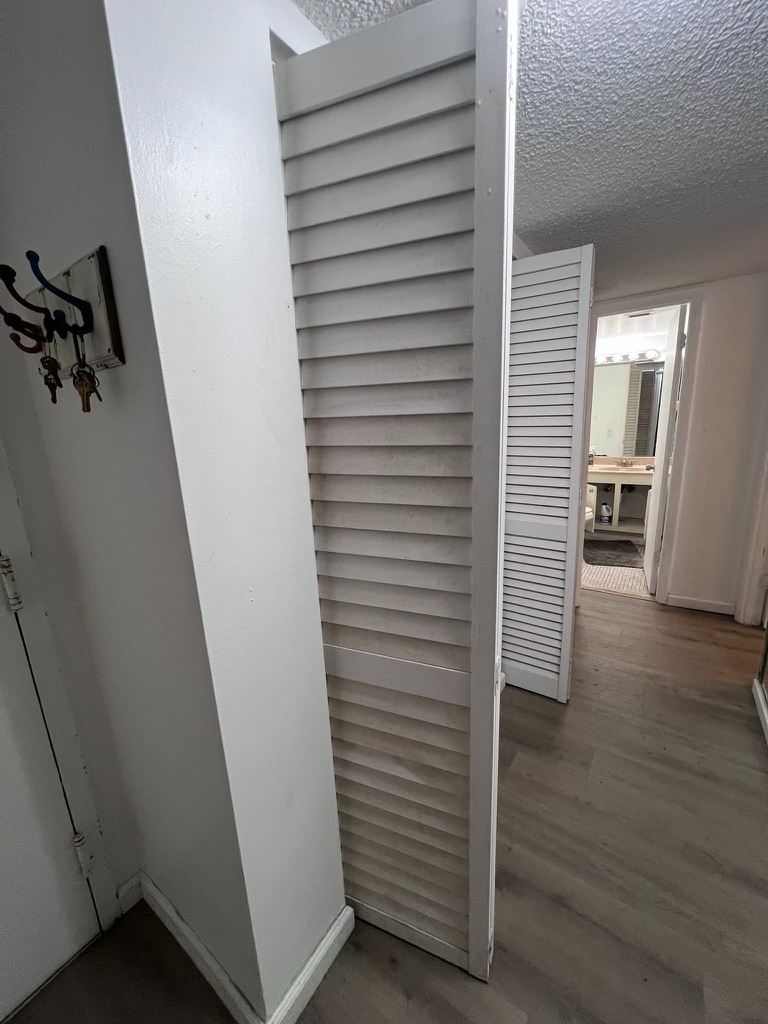
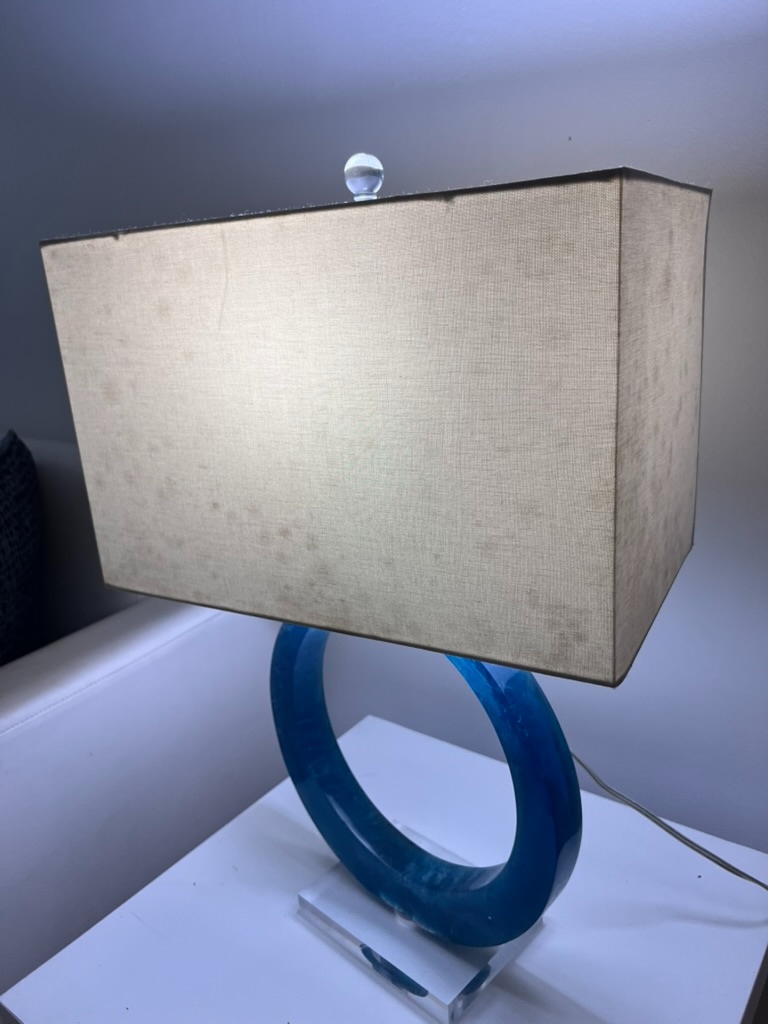
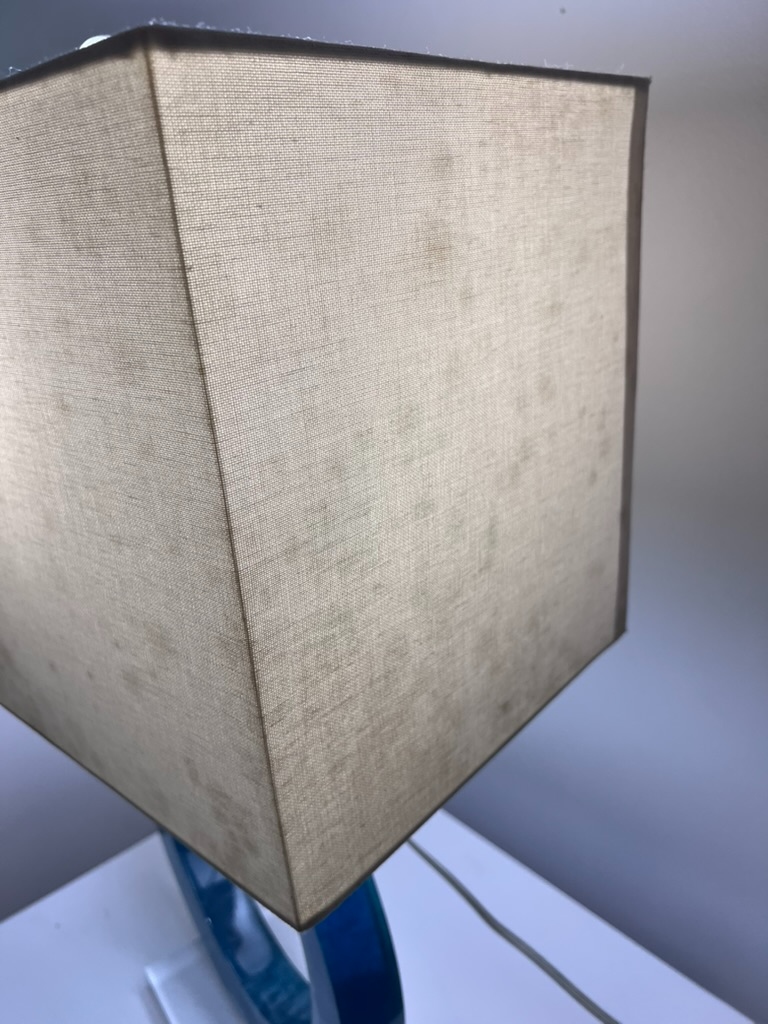
Even when indoor air sampling appears generally acceptable, concealed moisture behind drywall or beneath flooring can support microbial growth for extended periods without significantly affecting airborne spore levels. Combining moisture mapping, thermal imaging, laboratory testing, and direct wall cavity inspection provides a much more complete understanding of a building's condition than air sampling alone.
If you suspect water damage, elevated moisture, musty odors, or hidden mold in your home or condominium, Home Enviro provides independent mold inspections, mold testing, moisture mapping, thermal imaging, indoor air quality testing, HVAC mold inspections, and Post-Remediation Verification (PRV) throughout Aventura and South Florida.
Ready to book? Visit Express Mold Inspection.
